
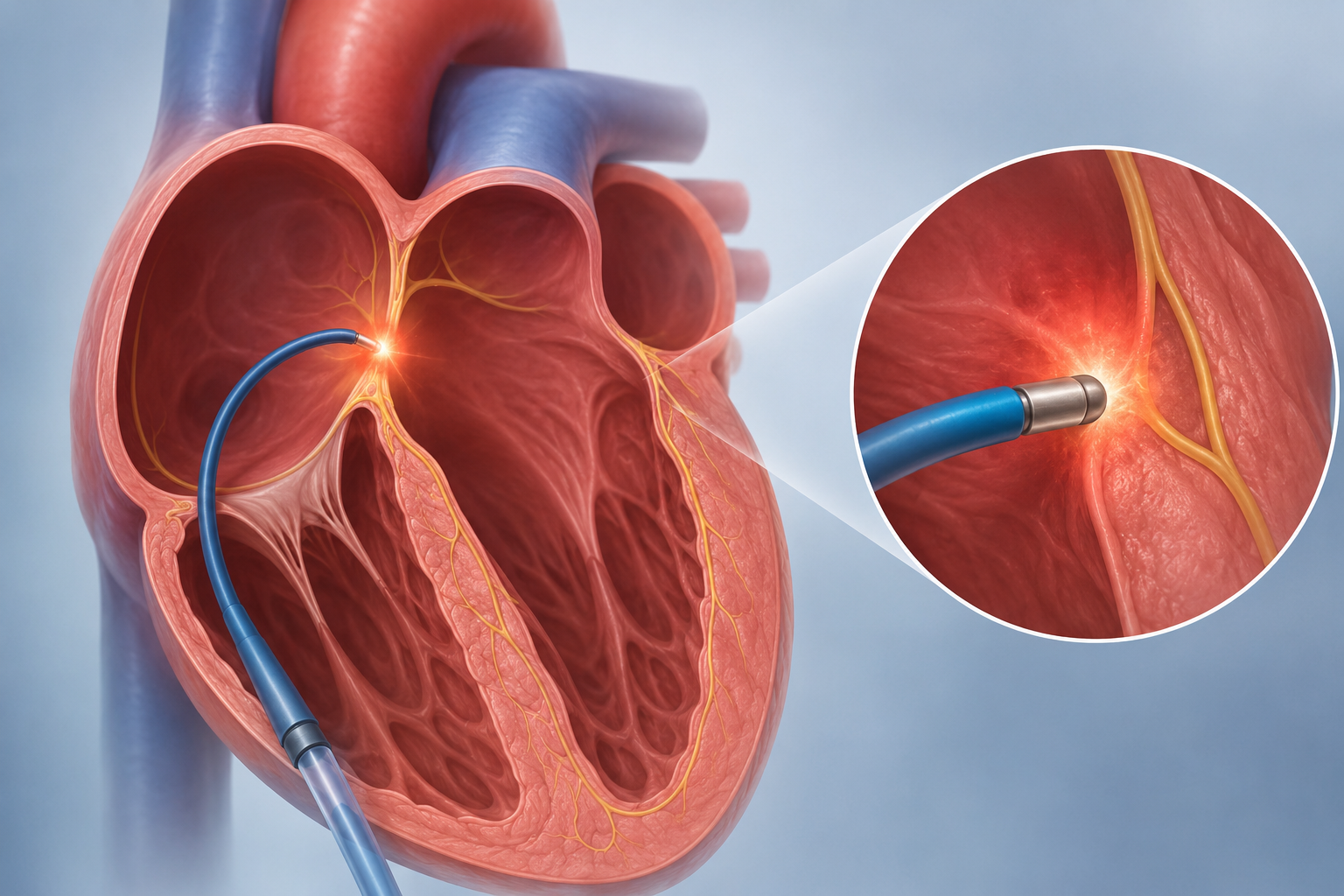
The human heart relies on a carefully coordinated electrical system to maintain a steady rhythm. When this electrical pathway functions normally, the heart beats in a regular and efficient manner. However, certain conditions can create abnormal electrical connections that interfere with this process, causing episodes of rapid heartbeat, palpitations, dizziness, or even fainting. One such condition is Wolff-Parkinson-White (WPW) syndrome, a treatable heart rhythm disorder that can affect people of various age groups.
For patients considering ablation for wolff parkinson white In uae, understanding the condition and the available treatment options is the first step toward better heart health. Catheter ablation has become one of the most effective treatments for WPW syndrome, offering a minimally invasive solution that targets the abnormal electrical pathway responsible for the irregular heart rhythm. Early diagnosis and expert evaluation can help prevent recurrent symptoms and improve long-term quality of life.
What Is Wolff-Parkinson-White Syndrome?
Wolff-Parkinson-White syndrome is a congenital heart rhythm disorder in which an extra electrical pathway exists between the upper and lower chambers of the heart. This additional pathway allows electrical signals to bypass the heart's normal conduction system, resulting in episodes of rapid heartbeat known as supraventricular tachycardia (SVT).
Although some individuals remain symptom-free for years, others may experience frequent episodes that interfere with daily activities. In rare situations, untreated WPW syndrome may increase the risk of more serious heart rhythm complications.
Common Symptoms of WPW Syndrome
Symptoms can vary depending on the frequency and severity of abnormal heart rhythms. Many patients report episodes that begin and end suddenly.
Common signs include:
- Rapid or pounding heartbeat
- Palpitations
- Chest discomfort
- Shortness of breath
- Dizziness
- Lightheadedness
- Fatigue
- Fainting in some cases
Because these symptoms may resemble other cardiac conditions, professional evaluation is essential for an accurate diagnosis.
How Is WPW Diagnosed?
A cardiologist or cardiac electrophysiologist evaluates both symptoms and heart rhythm recordings before recommending treatment.
Diagnostic tests may include:
- Electrocardiogram (ECG)
- Holter monitoring
- Event recorder
- Exercise stress testing
- Echocardiography
- Electrophysiology (EP) study
An EP study is particularly valuable because it identifies the precise location of the abnormal electrical pathway, helping physicians determine whether catheter ablation is the most appropriate treatment.
Why Catheter Ablation Is Often Recommended
Medication can help control episodes of rapid heartbeat for some patients, but it does not eliminate the abnormal electrical pathway. Catheter ablation directly treats the underlying cause of WPW syndrome.
During the procedure, thin catheters are inserted through blood vessels and guided to the heart. Using advanced mapping technology, the electrophysiologist identifies the accessory pathway and delivers controlled energy to eliminate it while preserving normal heart tissue.
Because the procedure targets the source of the arrhythmia, many patients experience long-term relief without requiring ongoing medication.
Benefits of Catheter Ablation
Catheter ablation offers several advantages for appropriately selected patients.
These include:
- High long-term success rates
- Minimally invasive treatment
- Short hospital stay
- Faster recovery compared to open-heart surgery
- Reduced dependence on medications
- Lower risk of recurrent arrhythmias
- Improved quality of life
Most patients can resume their normal daily activities within a relatively short period after the procedure, following their physician's advice.
Choosing an Experienced Cardiac Electrophysiologist
The outcome of any advanced cardiac procedure depends greatly on the experience of the treating specialist. Electrophysiologists receive specialized training in diagnosing and treating complex heart rhythm disorders using minimally invasive techniques.
Dr. Moutaz El Kadri is recognized for his expertise in cardiac electrophysiology and the management of complex rhythm disorders. Through detailed patient evaluation, advanced diagnostic techniques, and evidence-based treatment strategies, he focuses on delivering personalized care tailored to each individual's condition.
Selecting an experienced electrophysiologist ensures that patients receive comprehensive assessment, accurate diagnosis, and treatment recommendations based on their specific clinical needs.
Understanding the Difference Between Ablation and Pacemaker Therapy
Many people mistakenly assume that every heart rhythm disorder requires a pacemaker. In reality, treatment depends entirely on the underlying electrical problem.
Catheter ablation is commonly recommended for rhythm disorders caused by abnormal electrical pathways, such as WPW syndrome. On the other hand, pacemaker operation in dubai is generally performed for patients whose hearts beat too slowly due to disorders affecting the heart's natural electrical conduction system. Pacemakers help maintain an appropriate heart rate but are not the standard treatment for Wolff-Parkinson-White syndrome.
A thorough cardiac evaluation helps determine which treatment is most appropriate for each patient.
Recovery After Catheter Ablation
Recovery is usually straightforward. Patients are monitored for a short period following the procedure before returning home, often on the same day or the following day depending on their individual condition.
Recovery recommendations generally include:
- Following medication instructions carefully
- Avoiding strenuous physical activity for a short period
- Keeping follow-up appointments
- Reporting any unusual symptoms promptly
- Gradually returning to normal activities
Most patients notice a significant improvement in symptoms once the abnormal electrical pathway has been successfully treated.
Expert Cardiac Care at The Heart.ae
The Heart.ae is committed to providing advanced diagnosis and treatment for cardiac rhythm disorders using modern electrophysiology techniques. Led by experienced specialists including Dr. Moutaz El Kadri, the practice offers comprehensive evaluation, individualized treatment planning, and minimally invasive procedures designed to improve patient outcomes while prioritizing safety and comfort.
Conclusion
Living with Wolff-Parkinson-White syndrome can be challenging, but timely diagnosis and appropriate treatment can make a remarkable difference. Patients exploring ablation for wolff parkinson white In uae should seek evaluation from an experienced cardiac electrophysiologist who can recommend the most suitable treatment based on their condition. With advances in catheter ablation technology and expert cardiac care, many individuals achieve long-term symptom relief and return to active, healthy lives with greater confidence.