
Heart rhythm irregularities can be concerning, especially when they occur unexpectedly. Many people experience occasional skipped or extra heartbeats without realizing what they mean. While some rhythm disturbances are harmless, others require careful evaluation to determine whether they indicate an underlying heart condition. Understanding the causes, symptoms, and available treatment options can help patients make informed decisions and seek timely medical attention when necessary.
Patients searching for Premature Ventricular Contractions Treatment In UAE often want to understand whether their symptoms require medical intervention. Premature Ventricular Contractions (PVCs) are extra heartbeats that originate in the ventricles, the heart's lower chambers. These beats interrupt the normal rhythm and may create sensations of fluttering, pounding, or a skipped heartbeat. Although occasional PVCs are common and may occur in healthy individuals, frequent or symptomatic episodes should always be evaluated by a cardiac specialist.
PVCs can develop for several reasons. Common triggers include stress, anxiety, excessive caffeine intake, smoking, alcohol consumption, lack of sleep, and certain medications. In other cases, they may be associated with electrolyte imbalances, thyroid disorders, high blood pressure, coronary artery disease, or structural heart abnormalities. Identifying the underlying cause is essential because treatment plans differ depending on the patient's overall cardiovascular health.
Symptoms vary from person to person. Some individuals experience no symptoms at all, while others report palpitations, chest discomfort, dizziness, fatigue, or a sensation that the heart has briefly stopped before beating again. Frequent PVCs may reduce the heart's pumping efficiency over time, particularly when they occur in large numbers throughout the day. This is why persistent symptoms should never be ignored.
Diagnosis begins with a detailed medical history and physical examination. Physicians often recommend an electrocardiogram (ECG) to detect abnormal heart rhythms. Since PVCs may not occur during a routine ECG, ambulatory monitoring using a Holter monitor or event recorder is frequently used to capture irregular heartbeats over 24 to 48 hours or longer. Additional investigations such as echocardiography, exercise stress testing, cardiac MRI, or blood tests may also be recommended to evaluate heart structure and identify contributing medical conditions.
Treatment depends on symptom severity, PVC frequency, and the presence of underlying heart disease. Patients with occasional, harmless PVCs may simply require reassurance along with lifestyle modifications. Reducing caffeine intake, avoiding tobacco, managing stress, improving sleep quality, and maintaining regular physical activity often help decrease the frequency of extra heartbeats. Patients are also encouraged to control blood pressure, diabetes, and cholesterol to support overall cardiovascular health.
When symptoms persist despite lifestyle changes, medications such as beta-blockers or certain antiarrhythmic drugs may be prescribed to control abnormal electrical activity. These medications are carefully selected based on each patient's medical history and overall heart function. Regular follow-up appointments help ensure that treatment remains both safe and effective.
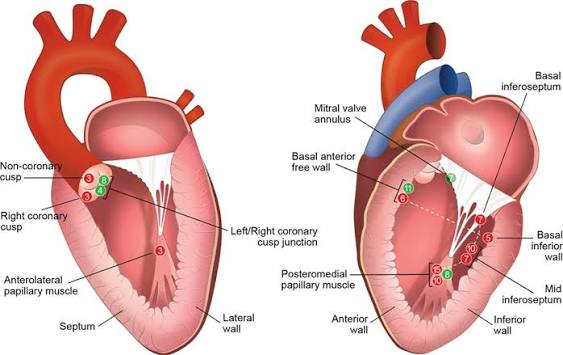
For patients experiencing frequent symptomatic PVCs or those whose heart function has been affected, catheter ablation has become one of the most effective treatment options. During this minimally invasive procedure, thin catheters are guided through blood vessels into the heart. Advanced three-dimensional mapping technology identifies the precise area responsible for the abnormal electrical signals, allowing physicians to eliminate the source using controlled energy. Catheter ablation has demonstrated high success rates while allowing many patients to return to normal daily activities within a relatively short period.
Choosing the right cardiac center plays a significant role in successful outcomes. Access to advanced diagnostic technology, experienced electrophysiology specialists, modern catheterization laboratories, and comprehensive follow-up care ensures accurate diagnosis and personalized treatment planning. Every patient presents a unique clinical picture, making individualized care essential for achieving long-term rhythm control.
The Heart.ae is dedicated to providing advanced cardiac rhythm management supported by state-of-the-art technology and evidence-based treatment approaches. Patients receive comprehensive evaluation for arrhythmias, including PVCs, atrial fibrillation, supraventricular tachycardia, and other complex rhythm disorders. Individuals seeking care from the best electrophysiologist in dubai benefit from expert assessment, detailed diagnostic investigations, and personalized treatment strategies designed to restore normal heart rhythm while improving quality of life.
Preventive heart care remains equally important. Maintaining a heart-healthy diet, exercising regularly, managing stress, avoiding smoking, limiting alcohol intake, and attending routine medical check-ups all contribute to reducing cardiovascular risk. Patients who notice persistent palpitations or unusual heart rhythm symptoms should seek evaluation rather than assuming the condition is harmless.
Advances in cardiac electrophysiology continue to improve both diagnosis and treatment, allowing physicians to manage rhythm disorders with greater precision and less invasive techniques than ever before. Individuals considering Premature Ventricular Contractions Treatment In UAE should consult experienced heart rhythm specialists who can accurately identify the cause of their symptoms and recommend the most appropriate treatment. Early diagnosis, expert care, and timely intervention offer the best opportunity for restoring a healthy heart rhythm and supporting long-term cardiovascular wellness.