
The heart depends on a carefully coordinated electrical system to maintain a regular heartbeat. When this system does not function properly, a person may experience a heartbeat that is too slow, too fast, or irregular. Depending on the underlying condition, doctors may recommend medication, catheter-based procedures, lifestyle adjustments, or an implanted cardiac device to help manage the rhythm.
For people researching pacemaker of the heart in uae, understanding when a pacemaker is needed and how it works can make the treatment journey easier to navigate. A pacemaker is a small medical device designed to help regulate certain abnormal heart rhythms, particularly when the heart beats too slowly. However, not every rhythm problem requires a pacemaker, which is why an evaluation by a qualified cardiac rhythm specialist is important.
What Is a Pacemaker?
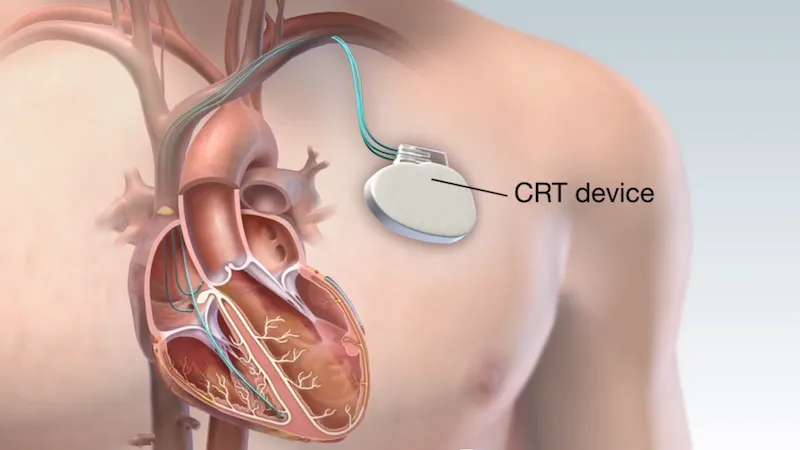
A pacemaker is an electronic medical device that helps regulate the heartbeat when the heart's natural electrical system is unable to maintain an appropriate rhythm. A conventional pacemaker generally consists of a pulse generator and one or more leads that deliver electrical impulses to the heart.
When the heart rate becomes too slow or the electrical signal does not travel normally, the pacemaker can provide carefully timed electrical stimulation. This helps the heart maintain an appropriate rhythm according to the patient's specific medical requirements.
Modern pacemakers have become increasingly sophisticated. Depending on the patient's condition, doctors may select different types of devices and programming settings to provide appropriate rhythm support.
Why Might Someone Need a Pacemaker?
A pacemaker is generally considered when a person has a clinically significant slow heart rhythm or a problem with the heart's electrical conduction system. Conditions such as certain types of bradycardia or heart block may lead a cardiologist to consider pacemaker implantation.
Symptoms associated with slow or irregular heart rhythms can include:
- Persistent fatigue
- Dizziness or light-headedness
- Fainting or near-fainting
- Shortness of breath
- Reduced exercise tolerance
- Weakness
- Awareness of an abnormal heartbeat
However, these symptoms can have many different causes. A pacemaker is not automatically required when they occur. Doctors usually conduct appropriate tests to determine whether a heart rhythm problem is responsible.
How Do Doctors Diagnose Heart Rhythm Problems?
Accurate diagnosis is an important part of deciding whether a patient requires device-based treatment. A cardiologist or electrophysiologist may use several diagnostic methods depending on the patient's symptoms and medical history.
An electrocardiogram (ECG) can provide information about the heart's electrical activity at a specific moment. If symptoms occur intermittently, ambulatory monitoring such as a Holter monitor or another type of cardiac event monitor may be recommended.
Additional tests may be used to evaluate the structure and function of the heart or investigate other possible causes of the symptoms.
The goal is to identify the specific rhythm abnormality and determine the most appropriate treatment rather than treating symptoms alone.
What Is the Difference Between a Pacemaker and Other Cardiac Treatments?
Not every abnormal heart rhythm is treated with a pacemaker. Treatment depends on whether the heart is beating too slowly, too quickly, or irregularly and on the underlying cause.
For example, some patients with rapid heart rhythms may benefit from medications or catheter ablation rather than a pacemaker. Other patients may require an implantable cardioverter-defibrillator (ICD), which has different functions and is designed for specific cardiac conditions.
This distinction highlights the importance of obtaining an accurate diagnosis before choosing a treatment.
How Is WPW Syndrome Treated?
Wolff-Parkinson-White (WPW) syndrome is a condition involving an additional electrical pathway in the heart. This pathway can allow electrical signals to travel abnormally and may result in episodes of rapid heartbeat.
Symptoms can include sudden palpitations, dizziness, chest discomfort, shortness of breath, or fainting. Some people may have an abnormal ECG pattern without experiencing noticeable symptoms.
The appropriate WPW syndrome treatment depends on the patient's symptoms, risk profile, and findings from cardiac evaluation. Catheter ablation is an important treatment option for many symptomatic patients. During the procedure, a specialized catheter is used to identify the abnormal pathway and deliver energy to eliminate its ability to conduct electrical signals.
Medication or observation may be considered in certain circumstances. The treatment decision should always be made by a qualified cardiac electrophysiology team after appropriate evaluation.
What Happens During Pacemaker Implantation?
Pacemaker implantation is a procedure performed under medical supervision. The device is generally placed beneath the skin, often in the upper chest, while the leads are guided through a blood vessel into the appropriate chambers of the heart when a traditional lead-based system is used.
The leads detect cardiac activity and can deliver electrical stimulation when necessary. The procedure and device selection vary depending on the patient's condition and the type of pacemaker recommended.
After implantation, the device is programmed according to the patient's requirements. Follow-up appointments are important because the healthcare team can assess device function and make programming adjustments when needed.
How Can Patients Live With a Pacemaker?
Many patients are able to return to their normal routines after recovering from pacemaker implantation. However, they should follow the instructions provided by their healthcare team regarding physical activity, wound care, medications, and follow-up appointments.
Regular device checks are an important part of long-term care. These appointments help assess battery status, lead performance, and device function.
Patients should also inform healthcare professionals that they have a pacemaker before undergoing certain medical procedures. Carrying appropriate device identification can also be useful in emergency situations.
Why Is Specialist Heart Rhythm Care Important?
Heart rhythm disorders can have different causes and may require very different treatments. A specialist in cardiac electrophysiology focuses specifically on the electrical system of the heart and can help determine whether a patient may benefit from medication, ablation, a pacemaker, or another treatment.
Choosing a centre with experience in diagnosing and managing rhythm disorders can therefore be valuable. Proper assessment helps ensure that treatment is based on the patient's specific condition rather than a general approach.
How Does TheHeart.ae Support Cardiac Rhythm Care?
TheHeart.ae provides information and specialist-focused cardiac care for patients dealing with heart rhythm conditions and related concerns. Its approach includes evaluation of arrhythmias and access to advanced electrophysiology services when clinically appropriate.
For patients experiencing recurrent palpitations, unexplained fainting, unusually slow heartbeats, or other rhythm-related symptoms, timely evaluation can help identify the underlying problem. A specialist assessment can also help determine whether treatment such as catheter ablation or cardiac device implantation may be appropriate.
What Should You Do If You Experience Abnormal Heart Rhythms?
An unusual heartbeat should not automatically be assumed to require a pacemaker. Symptoms such as persistent palpitations, fainting, dizziness, or unexplained weakness should be discussed with a qualified healthcare professional.
For individuals researching pacemaker of the heart in uae, understanding the underlying rhythm disorder is the first step toward making an informed treatment decision. A detailed cardiac evaluation can determine whether a pacemaker is appropriate or whether another treatment would be more suitable.
With advances in cardiac electrophysiology, patients today have access to a range of diagnostic and treatment options for heart rhythm disorders. Whether the concern involves slow heart rhythms, conduction problems, or conditions such as WPW syndrome, specialist evaluation can help guide patients toward appropriate and personalised care.