
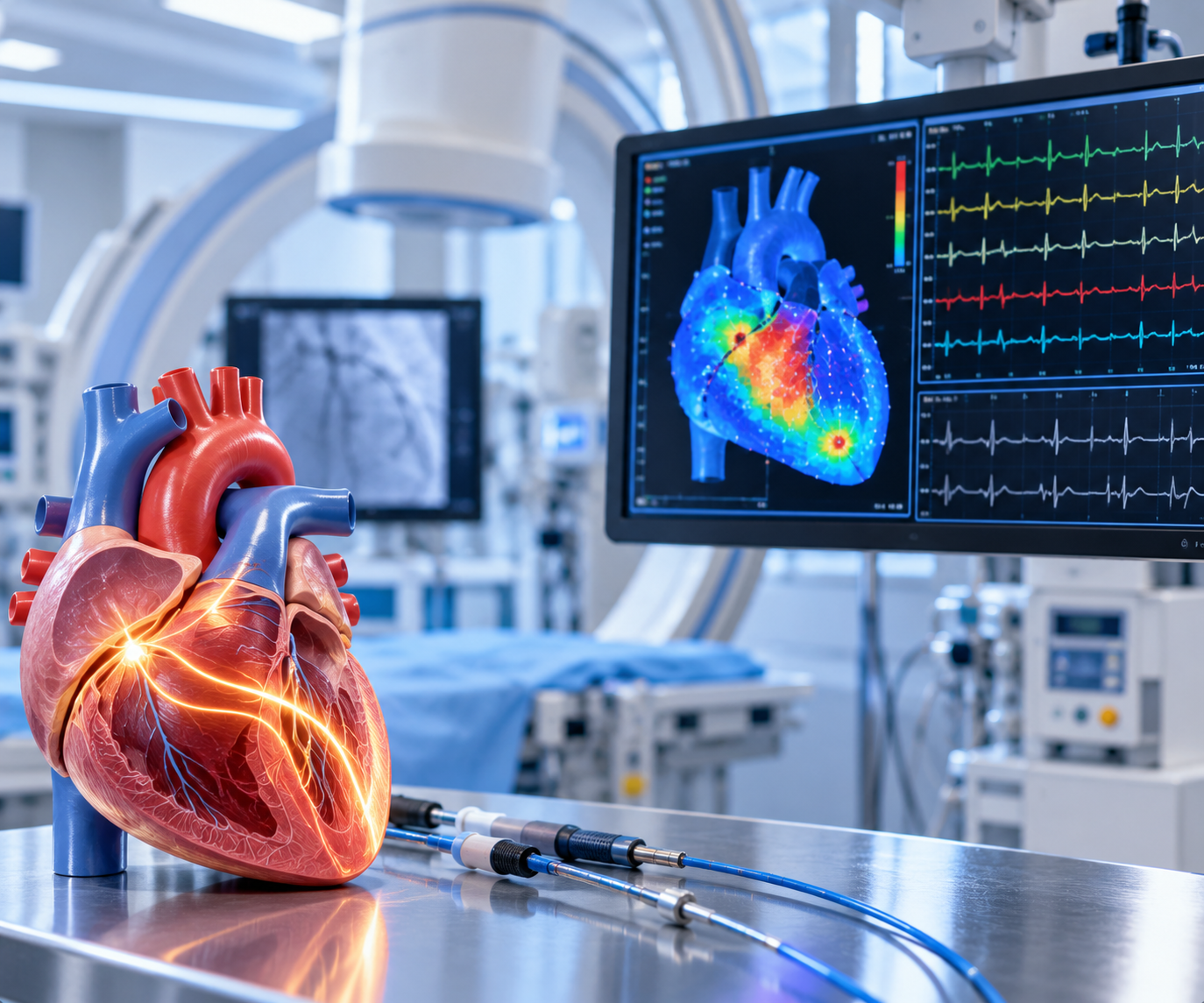
Heart rhythm problems can affect people in different ways. Some may notice a racing heartbeat, while others experience skipped beats, fluttering sensations, dizziness, shortness of breath, or unusual tiredness. Although occasional palpitations may not always indicate a serious problem, persistent or unexplained changes in heart rhythm deserve proper medical evaluation. Understanding the cause is an important first step toward receiving appropriate care.
For people experiencing recurrent or complex rhythm disturbances, consulting the best electrophysiologist in Abu Dhabi can help ensure that heart rhythm concerns are assessed by a specialist with focused expertise in electrical activity of the heart. Electrophysiologists are cardiologists who undergo additional specialized training in diagnosing and treating heart rhythm disorders, including conditions that may require advanced procedures.
What Does an Electrophysiologist Do?
An electrophysiologist focuses specifically on the heart's electrical system. The heart depends on carefully coordinated electrical signals to maintain a regular heartbeat. When these signals become irregular, the result can be an arrhythmia.
An electrophysiologist evaluates symptoms, medical history, diagnostic test results, and the heart's electrical activity to determine what may be causing an abnormal rhythm. Depending on the condition, treatment may involve medication, monitoring, catheter-based procedures, or an implanted cardiac device.
Conditions commonly evaluated by electrophysiologists include:
- Atrial fibrillation
- Atrial flutter
- Supraventricular tachycardia (SVT)
- Ventricular arrhythmias
- Premature ventricular contractions (PVCs)
- Wolff-Parkinson-White (WPW) syndrome
- Bradycardia and other slow heart rhythms
- Complex heart rhythm disorders
Why Should Heart Rhythm Symptoms Not Be Ignored?
Many people become accustomed to occasional palpitations and may assume that they are simply caused by stress, caffeine, lack of sleep, or physical activity. While these factors can sometimes contribute to temporary changes in heart rate, recurring symptoms should not automatically be dismissed.
Symptoms such as persistent palpitations, fainting, chest discomfort, breathlessness, dizziness, or unexplained weakness may require medical assessment. Some arrhythmias can interfere with the heart's ability to pump blood efficiently, while certain rhythm disorders may increase the risk of complications.
A specialist evaluation can help identify whether symptoms are related to an arrhythmia or another cardiac or non-cardiac condition.
How Are Heart Rhythm Disorders Diagnosed?
Diagnosis begins with understanding the patient's symptoms and medical history. A specialist may recommend one or more tests depending on the suspected rhythm problem.
An electrocardiogram (ECG) is commonly used to record the heart's electrical activity. If symptoms occur intermittently, longer-term monitoring may be recommended to capture abnormal rhythms that may not appear during a short ECG.
Other investigations can include:
- Holter monitoring
- Event or extended rhythm monitoring
- Echocardiography
- Exercise testing
- Blood tests
- Electrophysiology studies
An electrophysiology (EP) study is a specialized procedure that examines how electrical signals travel through the heart. It can help identify the source of certain abnormal rhythms and may also assist in planning treatment.
What Is Catheter Ablation?
Catheter ablation is an advanced treatment used for selected types of arrhythmias. During the procedure, thin catheters are guided through a blood vessel to the heart. Specialized equipment is then used to identify abnormal electrical pathways or areas responsible for the irregular rhythm.
Depending on the condition, energy may be used to create small areas of controlled tissue modification that prevent abnormal electrical signals from continuing.
Ablation may be considered for conditions such as SVT, atrial flutter, atrial fibrillation, certain types of PVCs, and other rhythm disorders. Whether it is appropriate depends on the individual's diagnosis, symptoms, heart health, and overall medical assessment.
When Are Pacemakers or ICDs Considered?
Not every rhythm disorder requires medication or ablation. Some patients may need a cardiac implantable device.
A pacemaker can help regulate heart rate when the heart beats too slowly or when electrical conduction between different parts of the heart is impaired. The device delivers electrical impulses when needed to help maintain an appropriate heart rate.
An implantable cardioverter-defibrillator (ICD), on the other hand, is designed to detect certain dangerous ventricular rhythms and deliver therapy when necessary. ICDs may be recommended for specific patients based on their cardiac condition and risk profile.
Device selection and implantation require detailed evaluation by an appropriately trained cardiac team.
How Can The Heart.ae Support Patients With Rhythm Disorders?
The Heart.ae provides specialized cardiac care with a focus on heart rhythm conditions and electrophysiology. Patients can access evaluation and treatment for a range of arrhythmias, including conditions that may require advanced electrophysiology procedures.
Under the care of Dr. Moutaz El Kadri, Cardiac Electrophysiologist, patients can receive specialist assessment for rhythm-related concerns. His areas of expertise include arrhythmia diagnosis, electrophysiology studies, catheter ablation, pacemakers, ICDs, and complex heart rhythm disorders.
The approach to treatment depends on the patient's individual condition. A detailed assessment helps determine whether observation, medication, an electrophysiology procedure, ablation, or device therapy may be appropriate.
What Should You Consider Before Choosing a Heart Rhythm Specialist?
When seeking specialist care, it is useful to consider several practical factors rather than focusing on a single qualification. Look at the doctor's specialization in cardiac electrophysiology, experience with the specific rhythm condition, diagnostic capabilities, available treatment options, and the level of follow-up care provided.
Patients should also discuss the expected benefits, potential risks, alternatives, recovery process, and follow-up requirements of any recommended procedure. Having these conversations can make it easier to understand the treatment plan and participate actively in healthcare decisions.
For individuals searching for the best electrophysiologist in Abu Dhabi, it is important to look for specialist care that matches their particular heart rhythm condition and medical needs.
How Can You Take the Next Step?
If you are experiencing recurring palpitations, an unusually fast or slow heartbeat, dizziness, fainting, or other symptoms that may be related to an irregular heart rhythm, consider discussing them with a qualified cardiac specialist.
Early evaluation can help identify the underlying cause and determine whether further testing or treatment is needed. At The Heart.ae, specialized electrophysiology services are available for patients seeking assessment and management of heart rhythm disorders.
The right evaluation can provide a clearer understanding of your heart rhythm and help your specialist develop a treatment approach based on your individual condition.