
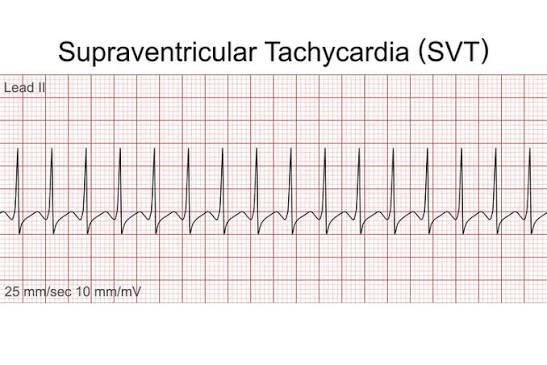
An irregular or unusually fast heartbeat can be unsettling, especially when it occurs unexpectedly. For many people, these episodes are caused by Supraventricular Tachycardia (SVT), a condition that disrupts the heart's normal electrical signals. While medications may help manage symptoms temporarily, they may not always provide a permanent solution. Fortunately, advances in cardiac electrophysiology now offer minimally invasive treatments that can restore a normal heart rhythm and improve overall quality of life.
Today, SVT Ablation is considered one of the most effective treatment options for recurring Supraventricular Tachycardia. The procedure targets the abnormal electrical pathways responsible for the irregular heartbeat, offering long-term relief for many patients. As a minimally invasive treatment, it has become a preferred option for individuals looking to return to their normal activities with greater confidence and fewer recurring symptoms.
What Is Supraventricular Tachycardia?
Supraventricular Tachycardia is a type of arrhythmia that originates in the upper chambers of the heart. It causes the heart to beat much faster than normal due to abnormal electrical pathways. Episodes can start and stop suddenly and may last from a few seconds to several hours.
Common symptoms include:
- Rapid heartbeat
- Heart palpitations
- Dizziness
- Shortness of breath
- Chest discomfort
- Fatigue
- Lightheadedness
Although SVT is often not life-threatening, repeated episodes can interfere with work, exercise, and daily activities.
Why Does SVT Develop?
Several factors can contribute to abnormal electrical activity in the heart, including:
- Congenital electrical pathway abnormalities
- Structural heart disease
- Excessive caffeine intake
- Emotional stress
- Smoking
- Thyroid disorders
- Certain medications
Determining the exact cause is essential before selecting the most appropriate treatment.
How Does Catheter Ablation Work?
Catheter ablation is a minimally invasive procedure designed to eliminate the abnormal electrical pathway responsible for SVT.
During the procedure:
- Thin catheters are inserted through a vein, usually in the groin.
- The catheters are guided to the heart using imaging technology.
- An electrophysiology study maps the abnormal electrical signals.
- Radiofrequency energy or cryotherapy is used to destroy the faulty tissue.
- Normal electrical conduction is restored.
Most procedures are completed within a few hours without the need for open-heart surgery.
Benefits of Catheter Ablation
Long-Term Symptom Relief
Many patients experience complete elimination of recurring SVT episodes after successful treatment.
Reduced Dependence on Medication
Following successful ablation, many individuals no longer require long-term anti-arrhythmic medications.
Faster Recovery
Most patients return home the same day or after overnight observation and resume routine activities within a few days.
Improved Quality of Life
Without frequent episodes of rapid heartbeat, patients often regain confidence in exercising, travelling, and enjoying everyday life.
High Success Rates
Modern electrophysiology techniques have made catheter ablation a highly reliable treatment with excellent long-term outcomes.
Why Choosing the Right Specialist Matters
Electrophysiology is a highly specialized field of cardiology that requires advanced training and extensive experience. Every patient's heart rhythm disorder is different, making accurate diagnosis critical before treatment begins.
Patients searching for the best electrophysiologist in Dubai should look for a specialist with extensive experience in diagnosing and treating complex arrhythmias. Dr. Moataz Al-Qadri (دكتور معتز القادري) is recognized for his expertise in cardiac electrophysiology and his commitment to delivering personalized care using advanced diagnostic tools and minimally invasive treatment techniques. His patient-centered approach helps individuals receive the most appropriate treatment based on their unique heart rhythm condition.
What Happens Before the Procedure?
Before recommending catheter ablation, your physician may perform several diagnostic tests to confirm the diagnosis and identify the exact source of the abnormal rhythm.
These investigations commonly include:
- Electrocardiogram (ECG)
- Ambulatory rhythm monitoring
- Blood tests
- Echocardiogram
- Cardiac imaging when necessary
These evaluations help create a personalized treatment plan.
Recovery After Catheter Ablation
Recovery is usually straightforward.
Patients are typically advised to:
- Stay hydrated.
- Avoid heavy lifting for several days.
- Take prescribed medications if required.
- Attend follow-up appointments.
- Report any unusual symptoms promptly.
Most individuals notice a significant improvement in their symptoms within a short period.
Conclusion
Living with recurrent episodes of rapid heartbeat can affect every aspect of daily life. Fortunately, modern catheter ablation techniques offer a safe, minimally invasive, and highly effective solution for many patients with SVT.
If you experience persistent palpitations or episodes of rapid heartbeat, seeking expert evaluation early can make a significant difference. With advanced treatment options and expert guidance from specialists such as Dr. Moataz Al-Qadri (دكتور معتز القادري), patients can take confident steps toward restoring a healthy heart rhythm and improving their overall well-being.