
Heart rhythm disorders can affect people in different ways, ranging from occasional irregular heartbeats to potentially dangerous arrhythmias. Advances in cardiac care have made it possible to diagnose, monitor, and treat many rhythm-related conditions with specialized procedures and implanted devices. Understanding these treatment options can help patients and families make informed decisions in consultation with their cardiologist.
For patients who may require icd implant surgery, understanding why an implantable cardioverter-defibrillator (ICD) is recommended, how the procedure works, and what recovery involves can provide greater confidence. The Heart.ae provides specialized cardiac care and supports patients with comprehensive evaluation and treatment for various heart rhythm conditions, including ventricular arrhythmias and other cardiac disorders.
What Is an ICD?
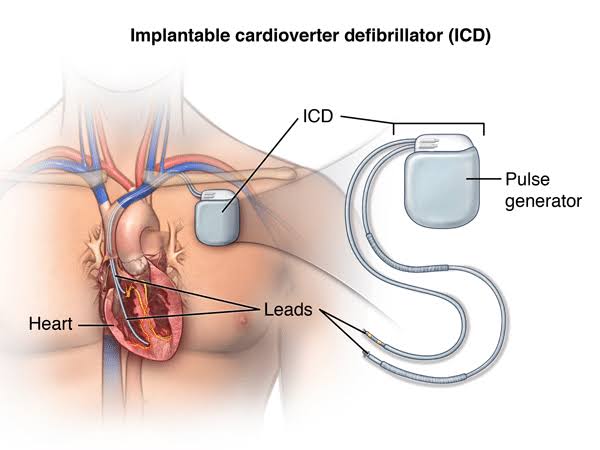
An implantable cardioverter-defibrillator is a small medical device designed to continuously monitor the heart's electrical activity. It is typically placed beneath the skin, with leads connecting the device to the heart.
The ICD can detect certain dangerous heart rhythms and respond when necessary. Depending on the situation, it may deliver electrical therapy to help restore a safer heart rhythm.
An ICD is different from a standard pacemaker, although some ICDs also provide pacing functions. The decision to recommend an ICD depends on a patient's heart condition, medical history, risk factors, and assessment by a qualified cardiologist.
Why Might a Patient Need an ICD?
An ICD may be recommended for people who have a significant risk of life-threatening ventricular arrhythmias. These rhythms can interfere with the heart's ability to pump blood effectively and may lead to sudden cardiac arrest.
Doctors may consider an ICD in patients with certain structural heart conditions, previous episodes of dangerous ventricular arrhythmia, or specific types of heart failure associated with an increased risk of sudden cardiac death.
However, not everyone with an irregular heartbeat requires an ICD. A detailed cardiac assessment is necessary to determine whether implantation is appropriate.
How Does an ICD Work?
The ICD continuously monitors the heart's rhythm. If it detects a potentially dangerous rhythm, it can provide an appropriate response based on its programmed settings.
Depending on the device and rhythm detected, treatment may involve:
- Pacing therapy
- Cardioversion
- Defibrillation
The purpose is to help restore a safer rhythm when a serious arrhythmia occurs. Modern ICDs are programmed according to the individual patient's medical needs, allowing the treating team to customize device settings.
What Happens During ICD Implantation?
The implantation procedure is generally performed in a hospital or specialized cardiac facility. Before the procedure, the medical team reviews the patient's medical history, medications, investigations, and overall health.
The device is usually placed under the skin in the upper chest. Leads are carefully positioned through a blood vessel and connected to the heart and the ICD.
The procedure is performed using appropriate anesthesia and monitoring. After implantation, the device is tested to ensure that it is functioning correctly.
The exact approach can vary depending on the type of ICD and the patient's individual circumstances.
How Should Patients Prepare for the Procedure?
Preparation depends on the patient's health, medications, and clinical condition. The cardiology team may provide specific instructions regarding fasting, medication adjustments, investigations, and admission arrangements.
Patients should provide their doctors with a complete list of medications and inform them about any allergies or previous medical procedures.
It is also important to ask questions about the device, procedure, expected recovery, follow-up schedule, and lifestyle considerations. Understanding the treatment plan can help patients feel more prepared.
What Is Recovery Like After ICD Implantation?
Recovery varies from person to person. Patients may experience some discomfort, bruising, or tenderness around the implantation site during the initial recovery period.
Doctors generally provide instructions regarding wound care, physical activity, and when normal activities can be resumed. Patients may need to avoid strenuous movement involving the arm on the side of implantation for a period recommended by their healthcare team.
Follow-up appointments are important because the device needs to be checked periodically. These visits allow doctors to assess the device, battery status, stored rhythm information, and overall cardiac condition.
Why Is Regular ICD Follow-Up Important?
An ICD is designed for long-term cardiac protection, making regular monitoring an important part of care. During follow-up, specialists can evaluate whether the device is functioning properly and whether its programming remains appropriate.
The device can also store information about certain heart rhythm events. Reviewing this information can help doctors understand changes in the patient's cardiac condition and make treatment decisions when necessary.
Battery life varies depending on the device and how frequently therapies are delivered. The medical team monitors battery status and can plan replacement when required.
What Is SVT Ablation and How Is It Different?
Not every heart rhythm problem requires an implanted device. Supraventricular tachycardia (SVT) is a group of rapid heart rhythms that originate above the ventricles. For suitable patients, SVT ablation can be an effective treatment option.
During catheter ablation, a specialist identifies the area responsible for the abnormal electrical circuit and uses controlled energy to modify or eliminate it. The goal is to prevent the abnormal rhythm from recurring.
The choice between medication, ablation, device therapy, or another treatment depends on the type of arrhythmia and the patient's overall cardiac health.
How Does The Heart.ae Approach Cardiac Rhythm Care?
The Heart.ae focuses on specialized cardiovascular care, helping patients receive appropriate assessment and treatment for different heart conditions. A comprehensive evaluation can help determine whether symptoms are related to an abnormal rhythm and identify the most appropriate treatment strategy.
Patients may undergo diagnostic tests such as electrocardiograms, echocardiography, Holter monitoring, or other cardiac investigations depending on their symptoms and medical history.
Specialized rhythm evaluation is particularly important when symptoms such as palpitations, dizziness, fainting, breathlessness, or unexplained episodes of rapid heartbeat occur.
What Should Patients Ask Their Cardiologist?
Before undergoing a cardiac procedure, patients should understand why the treatment has been recommended and what alternatives may be available.
Useful questions include:
- Why is this treatment appropriate for my condition?
- What are the expected benefits?
- Are there alternative treatment options?
- What risks should I understand?
- How long will recovery take?
- How often will follow-up be required?
- What lifestyle changes should I follow?
Open communication with the treating cardiologist can help patients make informed decisions based on their individual circumstances.
Conclusion
Heart rhythm disorders require individualized diagnosis and treatment. An ICD can provide important protection for selected patients at risk of serious ventricular arrhythmias, while procedures such as SVT ablation can offer a treatment option for appropriate patients with certain supraventricular rhythm disorders.
For patients considering icd implant surgery, understanding the procedure, recovery process, device monitoring, and long-term follow-up is essential. The Heart.ae provides specialized cardiac evaluation and treatment, helping patients explore appropriate options based on their individual heart health.
Anyone experiencing unexplained palpitations, fainting, chest discomfort, breathlessness, or episodes of rapid heartbeat should seek medical evaluation. Early assessment by a qualified cardiac specialist can help identify the underlying rhythm problem and determine the most appropriate course of care.